


Your cart is currently empty!.
You may check out all the available products and buy some in the shop.
Continue Shopping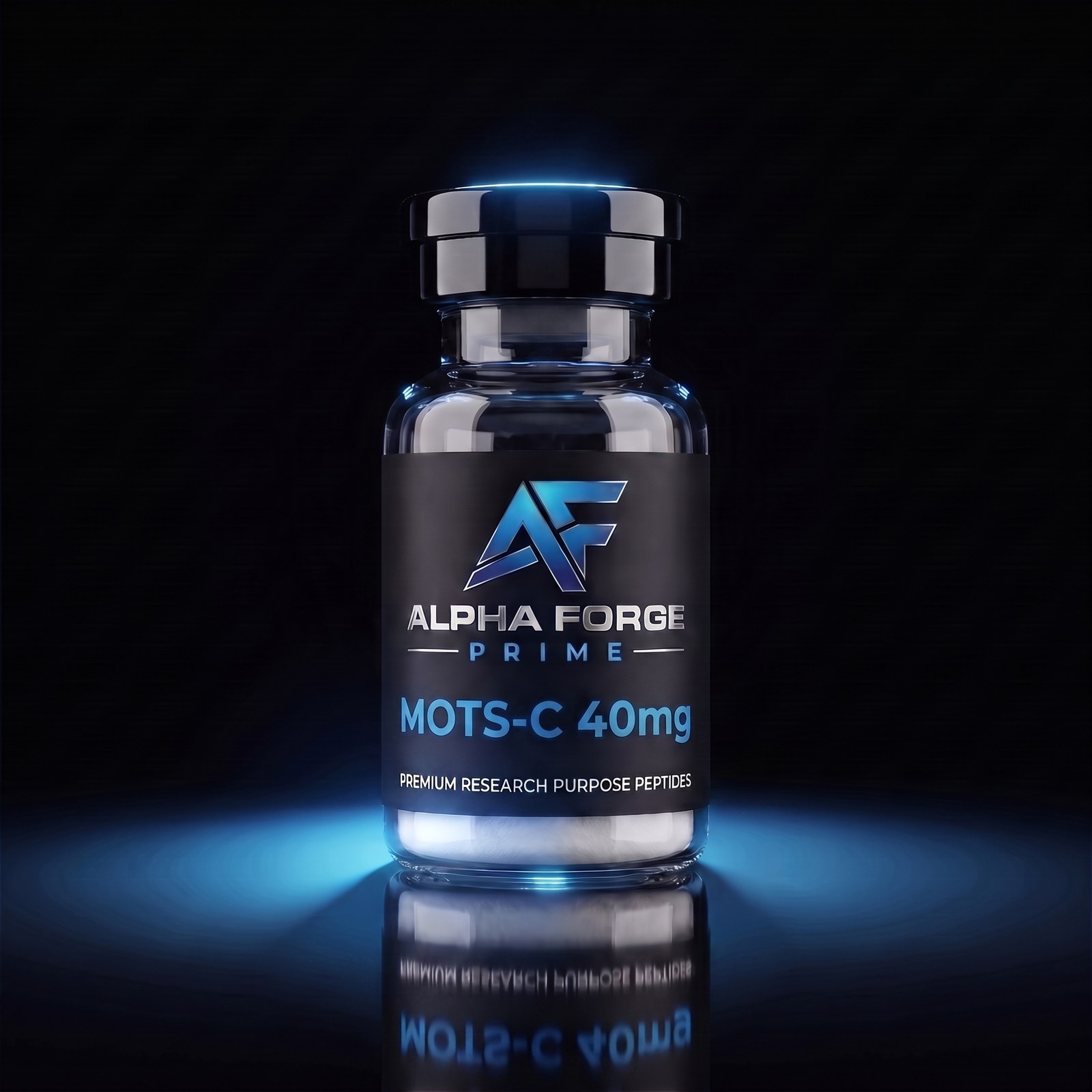
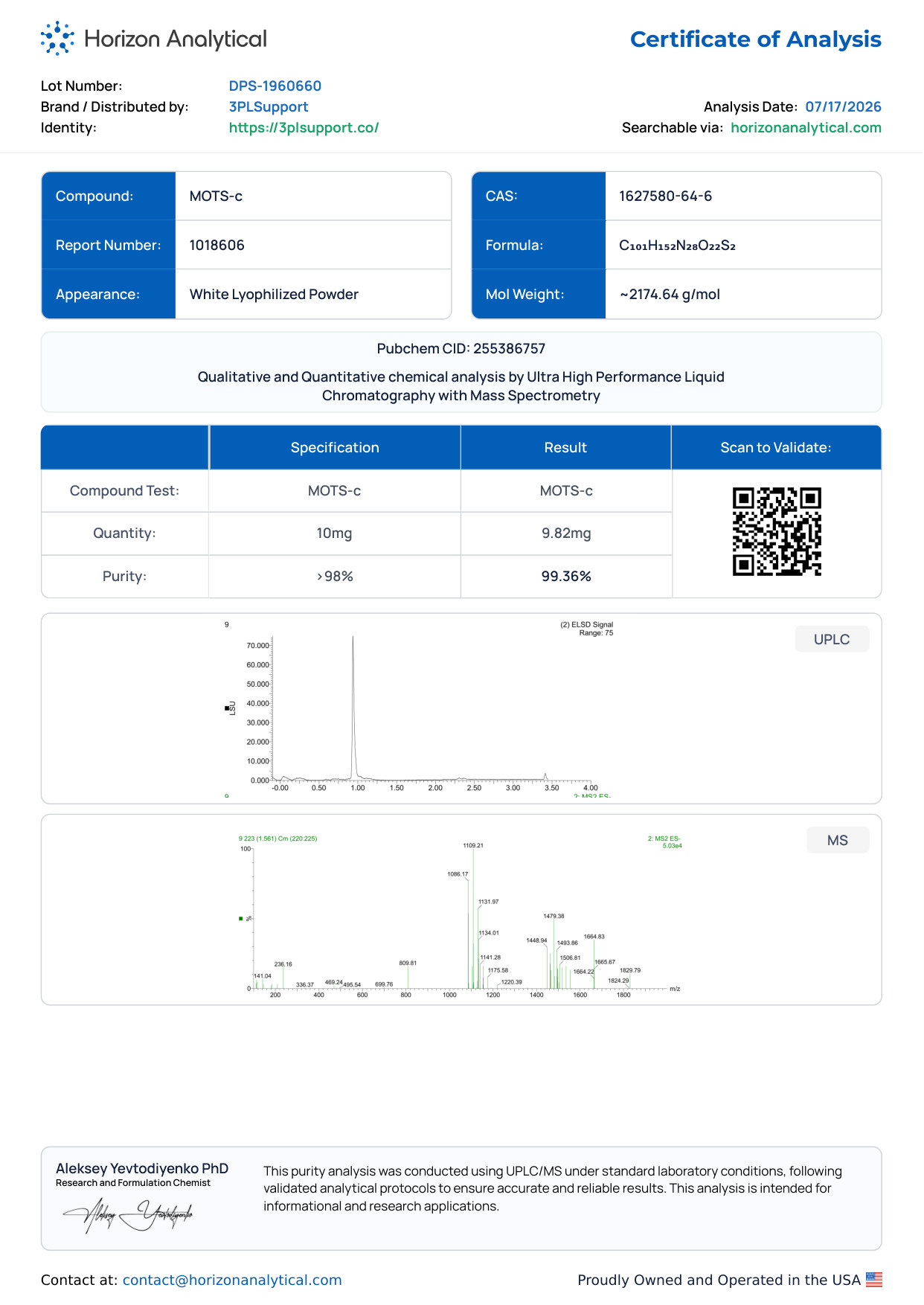
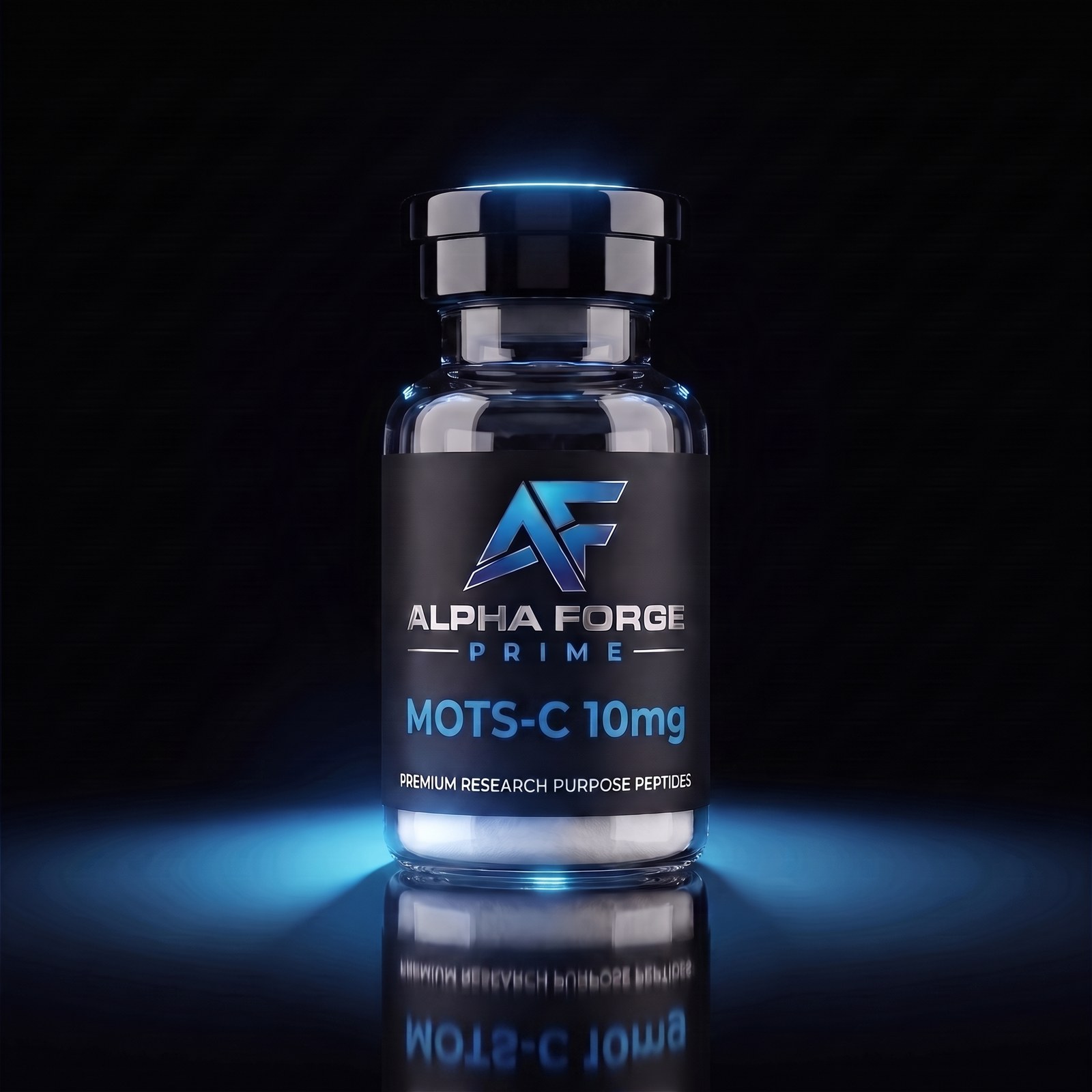
MOTS-c 40mg is the synthetic form of the mitochondrial-derived peptide MOTS-c (Mitochondrial Open reading frame of the Twelve S rRNA type-c), a 16-amino-acid peptide with the sequence MRWQEMGYIFYPRKLR. It is supplied as a lyophilized powder in a single sealed vial containing 40mg net peptide. Each lot is analyzed by HPLC for purity and by mass spectrometry for identity; the certificate of analysis for the current lot is shown in the product images and in the COA library.
| Sequence | H-Met-Arg-Trp-Gln-Glu-Met-Gly-Tyr-Ile-Phe-Tyr-Pro-Arg-Lys-Leu-Arg-OH (MRWQEMGYIFYPRKLR) |
|---|---|
| Length | 16 amino acids |
| Molecular formula | C101H152N28O22S2 |
| Molecular weight | ≈ 2174.6 g/mol |
| CAS number | 1627580-64-6 |
| Form | Lyophilized powder (acetate salt), white to off-white |
| Quantity | 40mg net peptide per vial |
| Purity / identity | HPLC purity and MS identity verified per lot — see the lot-specific COA |
| Origin | Synthetic (solid-phase peptide synthesis) |
MOTS-c was identified in 2015 by Changhan Lee, Pinchas Cohen and colleagues at the University of Southern California (Cell Metabolism, 2015) as a peptide encoded by a short open reading frame within the mitochondrial 12S rRNA gene — one of a small family of “mitochondrial-derived peptides” that also includes humanin. Its discovery is notable to researchers because it demonstrated that mitochondrial DNA encodes more than the 13 canonical proteins of the respiratory chain.
The published work has examined MOTS-c in cell culture and rodent models, principally its relationship to the folate–methionine cycle and AMP-activated protein kinase (AMPK) signalling, its translocation from mitochondria to the nucleus under metabolic stress (Kim et al., Cell Metabolism, 2018), and its regulation of nuclear gene expression. Observational human studies have measured circulating MOTS-c levels in relation to age and exercise. These are laboratory and observational findings; they do not establish any effect of administered MOTS-c in humans, and none should be inferred.
Analytically, MOTS-c is a moderately hydrophobic, basic peptide with two methionine residues, which makes it susceptible to oxidation; lots should be stored cold, protected from light, and re-assayed if held for extended periods after opening.
Handling and storage: Lyophilized powder in a sealed, nitrogen-flushed vial. Store at −20 °C for long-term storage or at 2–8 °C for short-term storage, protected from light and moisture. Allow the vial to reach room temperature before opening to prevent condensation.
Disclaimer: This product is furnished strictly for in-vitro laboratory research. It is not a drug, has not been evaluated or approved by the FDA, and is not intended for human or animal consumption or for any medical, veterinary, diagnostic, cosmetic or household use. The research background above summarizes the published literature for the benefit of researchers; it does not describe, and must not be read as describing, any effect in or use by humans.
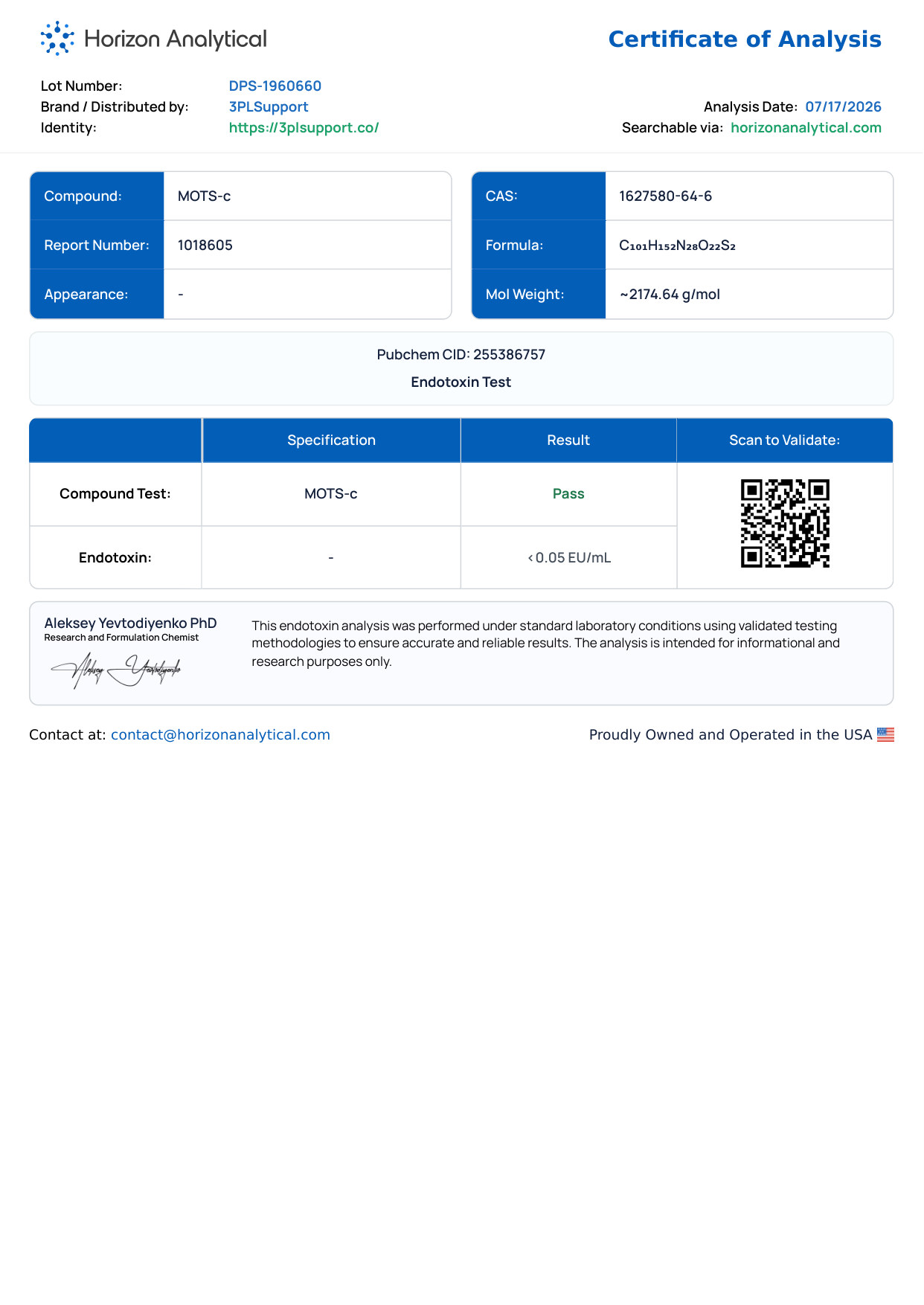
Independent U.S. laboratory testing. Batch-specific certificates below.
| Purity Lot | DPS-1960660 | Endotoxin Lot | DPS-1960660 |
|---|---|---|---|
| Analysis Date | 07/17/2026 | Result | Pass |
Orders are processed within 1–2 business days and shipped USA-only with tracking. Lyophilized peptides are stable at ambient temperature in transit, so no cold chain is required.
Because of the nature of research materials we accept returns of unopened, unused products only, and we make it right on anything damaged or incorrect on arrival — full details in our Refund, Return & Cancellation Policy.

Takes 5 seconds — your cart is saved.
For Research Use Only. Not For Human Consumption.
Alpha Forge Prime
Part of our catalog is reserved for registered researchers. Registration takes under a minute and requires no documents — just a short research-use attestation.