

Description

Description

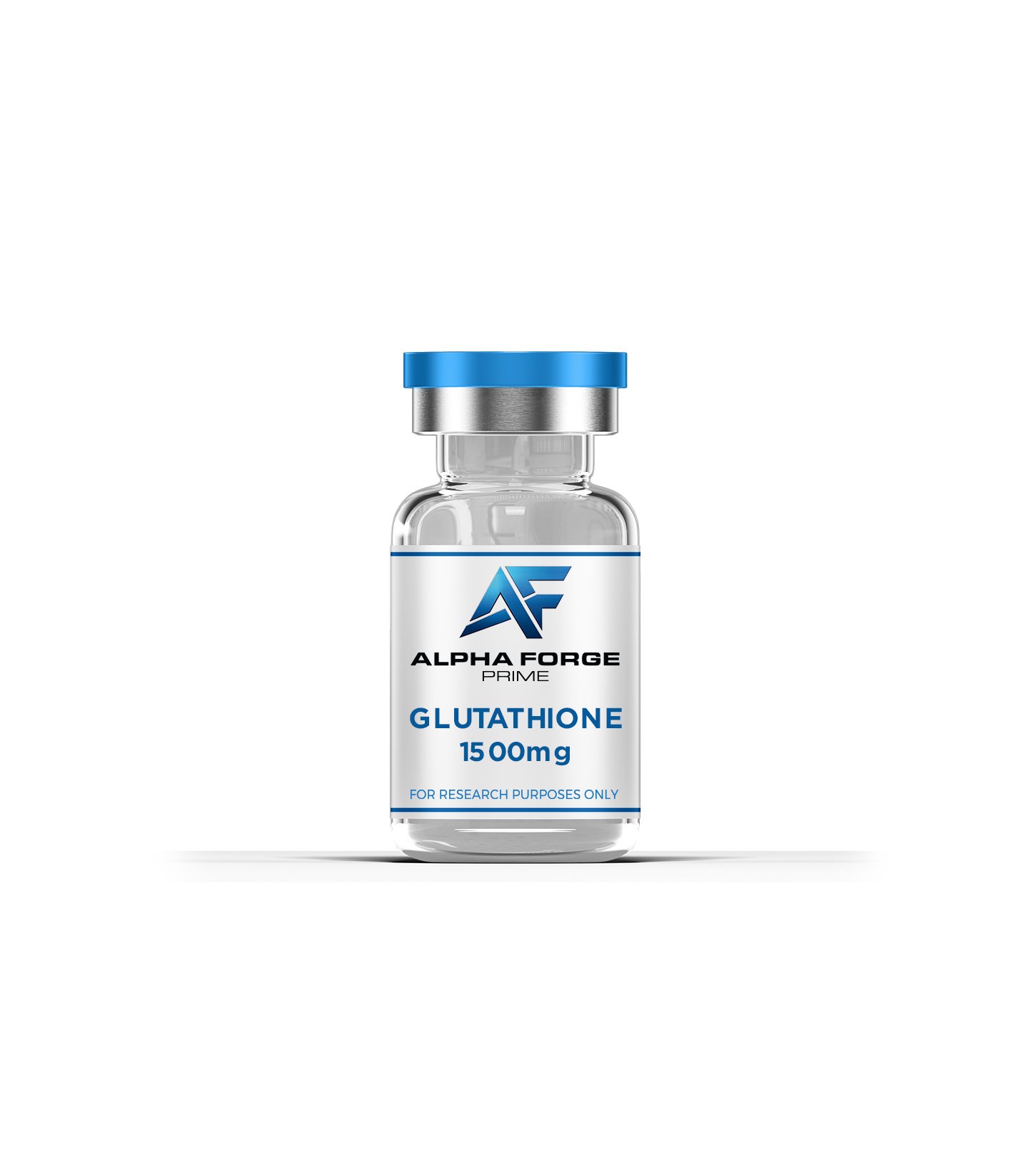
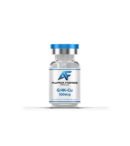
Glutathione 1,500mg is L-glutathione in its reduced form (GSH), the tripeptide γ-L-glutamyl-L-cysteinyl-glycine, supplied as a lyophilized powder in a single sealed vial containing 1,500mg net material. Each lot is analyzed by HPLC for purity; the certificate of analysis for the current lot is shown in the product images and in the COA library.

Glutathione specifications

Sequence γ-Glu-Cys-Gly (the glutamate is linked through its side-chain γ-carboxyl, not the α-carboxyl)
Length 3 amino acids
Molecular formula C10H17N3O6S
Molecular weight 307.3 g/mol
CAS number 70-18-8 (reduced form); the oxidized disulfide dimer GSSG is 27025-41-8
Form Lyophilized powder, white; free thiol
Quantity 1,500mg net material per vial
Purity / identity HPLC purity verified per lot — see the lot-specific COA
Solubility Water-soluble
Origin Produced by fermentation or enzymatic synthesis

Glutathione research background

Glutathione was isolated from yeast by Frederick Gowland Hopkins in 1921 and its structure was settled by Hopkins and by Kendall in the following decade. It is the most abundant low-molecular-weight thiol in most cells, typically present at millimolar concentration, and the reduced/oxidized couple (GSH/GSSG) is the principal intracellular redox buffer. Its chemistry is dominated by the cysteine thiol: it forms mixed disulfides with proteins, conjugates electrophiles through glutathione S-transferases, and serves as the cofactor for glutathione peroxidases and glutaredoxins. The literature on glutathione metabolism in cultured cells and in animal tissue is enormous and spans a century. These are laboratory findings in cells and animals; they have not been replicated in controlled human trials, and no conclusions about human effects should be drawn from them.

The unusual γ-peptide bond makes GSH resistant to ordinary peptidases; it is cleaved only by γ-glutamyl transpeptidase. For the analyst the central issue is oxidation: the free thiol converts to the disulfide GSSG on exposure to air, metal ions or alkaline pH, so a COA for reduced glutathione should report GSH and GSSG separately, and the ratio between them is the most informative single number on it. HPLC with a thiol-specific derivatization (or LC–MS distinguishing 307 from 612 Da) is the usual approach.

Handling and storage: Lyophilized powder in a sealed vial. Store at 2–8 °C, tightly closed and protected from moisture and light; −20 °C for long-term storage. Allow the vial to reach room temperature before opening. Aqueous solutions oxidize within hours at neutral pH and should be prepared fresh.

Disclaimer: This product is furnished strictly for in-vitro laboratory research. It is not a drug, has not been evaluated or approved by the FDA, and is not intended for human or animal consumption or for any medical, veterinary, diagnostic, cosmetic or household use. The research background above summarizes the published literature for the benefit of researchers; it does not describe, and must not be read as describing, any effect in or use by humans.

Shipping & Returns

Shipping & Returns

Orders are processed within 1–2 business days and shipped USA-only with tracking. Lyophilized peptides are stable at ambient temperature in transit, so no cold chain is required.

Because of the nature of research materials we accept returns of unopened, unused products only, and we make it right on anything damaged or incorrect on arrival — full details in our Refund, Return & Cancellation Policy.